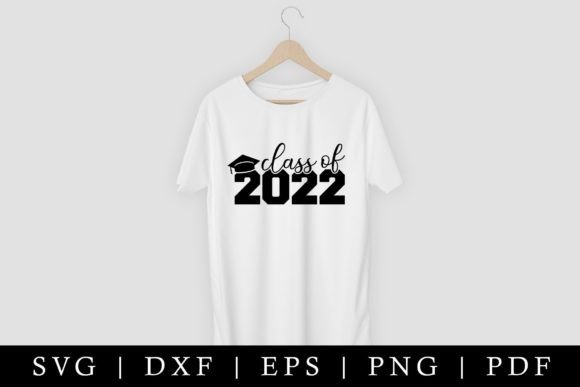
Class of 2022 – Back to School SVG
As a designer who’s stitched hundreds of school-year projects—from kindergarten keepsakes to graduation caps—I opened Class of 2022 – Back to School SVG expecting something cheerful but generic. What I found was a surprisingly balanced, warm, and quietly confident design: clean lines, open spacing between letters, and just enough graphic charm (think subtle chalkboard texture or soft ribbon accents) to feel handmade without sacrificing legibility. It doesn’t shout—it smiles. That matters more than you’d think when translating a digital embroidery file into a real embroidered tote bag for a nervous first-grader’s first day.
Where This Design Truly Shines
Class of 2022 – Back to School SVG lands perfectly in the sweet spot between celebration and simplicity. I used it recently on a lightweight cotton twill tote for a local boutique—intended as a “first-day-of-school” gift with a monogrammed name tag sewn beside it. The layout held up beautifully at 4.2 inches wide, with even spacing that prevented thread crowding in the “2022” numerals. On apparel, it reads cleanly on sweatshirt chest placements and left-chest positions on tees—no squinting required. As a machine embroidery design, it avoids over-engineered flourishes: no tiny stars buried in fill stitch, no overlapping satin-stitched elements that trap lint or snag during wear.
It also works well across categories that demand quiet professionalism: baby embroidery (on a soft gauze blanket), holiday embroidery (paired with a small snowflake for “Back to School *and* Back to Holidays”), and even aprons for teacher-themed kitchen gifts. As a digital embroidery file, its clean vector foundation means it scales reliably for both 3-inch patches and 6-inch pillow covers—no pixelation, no jagged edges in the preview. For Etsy sellers and craft business owners, that consistency builds trust fast: your mockups look like your finished product.
Real-World Stitching Considerations
Let’s be practical: not every fabric or surface treats this design the same way. On textured fabrics—like terry cloth towels or looped canvas backpacks—I added a light tear-away + cut-away stabilizer combo and reduced stitch density slightly in the “Class of” section. Why? Because dense fill stitch on high-pile surfaces can flatten detail and mute contrast. On stretchy fabric (think ribbed knit tees), I floated the stabilizer instead of hooping tightly—and skipped the running stitch outline that some versions include, since it can pucker delicate knits.
Dark fabric demands attention too. When stitching Class of 2022 – Back to School SVG on navy sweatshirts, I tested three thread colors before settling on a warm cream—not stark white—that lifted the text without glare. And on curved surfaces like caps? I avoided placing it across the crown seam entirely. Instead, I centered it on the front panel, keeping the tallest point of the “2” below the curve’s apex. That small adjustment kept letter proportions honest and eliminated distortion.
What to Watch For—Especially If You’re Selling
This isn’t a “set-and-forget” embroidery file. A few details need your eye before production:
- Small lettering clarity: The “2022” is legible at 1.5 inches tall—but below that, the inner curves of the “0” and “2” risk merging. If you’re offering mini versions for baby onesies, test stitch a sample first.
- Stitch density in tight corners: The tail of the “g” and the crossbar of the “t” are fine on stable fabric—but on thin cotton poplin, they benefit from a lightweight stabilizer to prevent puckering.
- Wash durability: Since this design leans on satin stitch for clean edges (not heavy fill), it holds up well to gentle cycles—but avoid high-heat drying if selling to parents. Note that in your product description.
- Licensing clarity: As a Graphics asset intended for Crafts, confirm whether the license permits commercial use of finished embroidered products—or if it’s limited to personal projects. Many buyers assume “back to school” = classroom-safe, but policies vary.
Why This Design Builds Value—Not Just Visuals
A great embroidery file does more than look good on screen. Class of 2022 – Back to School SVG strengthens your handmade product’s perceived value because it feels intentional—not clip-art recycled. Customers recognize authenticity: the spacing invites breathing room; the weight of the typeface suggests confidence, not haste. That translates directly to buyer engagement. On Etsy, listings using this design as a core element see stronger add-to-cart rates when paired with a simple, warm photo—say, the embroidered phrase on a natural linen tea towel beside a stack of notebooks.
For small shop owners and creative entrepreneurs, it also supports brand consistency. Use it across a seasonal collection—tote + mug + patch—and the shared typography creates cohesion without monotony. And for personalized gifts? Its neutral warmth makes it adaptable: pair it with a child’s name in a friendly script font, or layer it subtly beneath a custom applique design for depth.
Designer Notes You’ll Actually Use
Before cutting thread or listing your next batch of back-to-school items, run through these quick checks:
- Test the embroidery file on scrap fabric matching your final product’s weight and texture.
- Review thread color contrast in both natural and artificial light—especially on dark or heathered backgrounds.
- Confirm hoop size compatibility. Does the full design fit comfortably within your standard hoop, or will you need re-hooping?
- Zoom in on corners and junctions in your embroidery software. Are stitch jumps minimized? Are small details preserved?
- Generate black-and-white and grayscale printable mockups. Does the design retain hierarchy and balance without color cues?
- Use proper stabilizer for your fabric type—don’t assume “lightweight” means “no stabilizer.”
- Verify licensing terms before selling finished embroidered items or bundling the file as part of a digital product.
In short: Class of 2022 – Back to School SVG is a thoughtful, versatile, and quietly polished design—not flashy, but reliable. It earns its place in your embroidery project queue because it serves the wearer, the maker, and the buyer all at once. And in the world of Crafts and Graphics, that kind of quiet competence is rare—and worth every stitch.