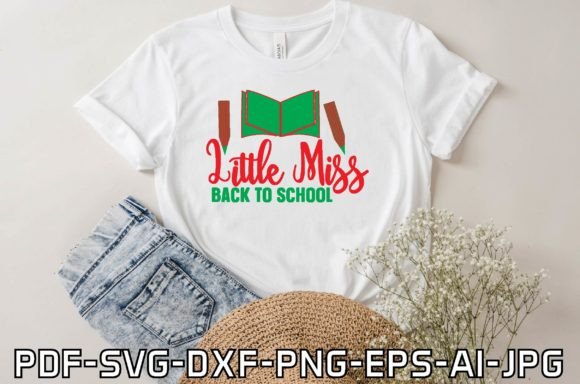
Little Miss Back to School SVG Cut Files
A Designer’s First Look: Charm with Clear Intent
Opening Little Miss Back to School SVG Cut Files, I immediately notice its gentle, approachable energy—soft curves, balanced proportions, and a subtle whimsy that avoids cutesy overload. It’s not just “school-themed”; it’s back-to-school as a moment: hopeful, organized, quietly proud. The layout feels intentional—not too tall, not too wide—with clean negative space around the central motif. As a designer who regularly translates digital graphics into machine embroidery designs, I appreciate how this composition invites stitch interpretation without demanding excessive detail. It reads well at 3–4 inches wide—the sweet spot for tote bag designs, sweatshirt embroidery, or baby embroidery on onesies and bibs.
Where It Shines: Real Projects, Real Customers
I recently used Little Miss Back to School SVG Cut Files as the foundation for a custom embroidered tote bag for a local preschool teacher. We stitched it on medium-weight cotton canvas with a light tear-away stabilizer and soft pastel thread colors. The result? A finished product that felt handmade but polished—no fuzzy edges, no skipped satin stitch sections, and zero puckering. That’s because the design’s natural rhythm works with standard fill stitch and running stitch transitions. It’s equally effective on aprons for kindergarten aides, pillow covers for nursery decor, or tea towels for back-to-school brunch gifts. For Etsy sellers and small shop owners, this is exactly the kind of digital embroidery file that converts: recognizable at a glance, emotionally resonant, and versatile across apparel and home goods.
What to Watch For: Texture, Scale, and Fabric Behavior
Not every surface welcomes this design equally. On stretchy fabric like jersey t-shirts, I recommend testing first with a cut-away stabilizer—especially if stitching near seams or curved hems. Thin fabrics (think lightweight baby onesies) need careful attention to stitch density; dense fill areas may show through or feel stiff unless you reduce underlay or adjust tension. Dark fabric backgrounds demand thoughtful thread color choices—light yellows or creams can get lost unless paired with a white underlay or subtle outline stitch. And on caps or curved surfaces, avoid placing the full design across the crown; instead, use a simplified version or focus on one clean element (like the bow or book icon) to maintain clarity.
Small Hoop Sizes? Yes—But With Strategy
The original SVG scales down cleanly, but don’t assume it’ll embroider crisply at 2 inches without review. Tiny lettering or fine interior lines may collapse into mush on low-res machines or with coarse thread. Always inspect small details in your embroidery software before sending to the machine. If you’re using it for personalized gifts—say, a monogrammed backpack tag or embroidered patch—I suggest simplifying the inner elements or converting them to applique design layers where possible.
How It Shapes Perception—and Sales
Customers don’t buy “SVG files.” They buy confidence, care, and consistency. When Little Miss Back to School SVG Cut Files appears on a boutique sweatshirt or handmade product listing, it signals intentionality—not generic clip art. That lifts perceived value, builds trust, and supports brand consistency across seasonal collections. For craft business owners, it’s also gift-ready: parents recognize the theme instantly, teachers appreciate the tasteful execution, and kids respond to its warmth. In holiday embroidery contexts—like early August “first day” keepsakes—it adds emotional weight without leaning on clichés.
Practical Notes Every Embroidery Designer Should Keep Handy
- Test first: Run a sample on scrap fabric matching your final project’s weight and weave.
- Check contrast: View your thread colors against both light and dark fabric backgrounds—use black-and-white mockups to assess legibility.
- Review stitch density: High-density fills may require lighter stabilizer or adjusted needle size on delicate textiles.
- Confirm hoop size: Measure the design’s widest point in your software—don’t guess.
- Inspect corners and curves: Look for tight vector nodes that could cause jump stitches or thread breaks.
- Verify licensing: Since this is marketed as a Graphics file for T-Shirt Designs, confirm whether commercial embroidery rights are included before selling finished products or bundling as design assets.
Final Thought: A Reliable, Human-Centered Design Asset
Little Miss Back to School SVG Cut Files isn’t flashy—but it doesn’t need to be. It’s the kind of embroidery file that earns repeat use because it behaves predictably, communicates clearly, and leaves room for your own craftsmanship to shine. Whether you’re prepping for craft fairs, building an Etsy shop’s seasonal collection, or fulfilling a custom apparel order, this design supports your work instead of competing with it. It respects the time, skill, and care that go into every embroidered patch, tote bag design, or personalized gift. And in a market full of overdesigned, oversaturated graphics, that kind of quiet reliability is rare—and valuable.