Pattern Back to School Digital Paper SVG
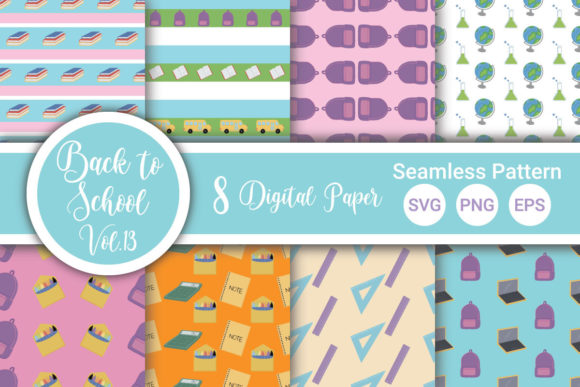
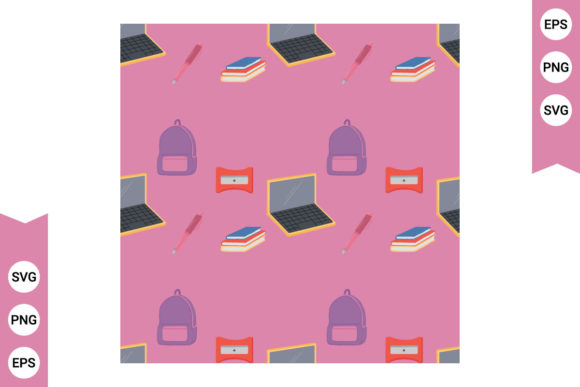
As a designer who’s stitched over 300 custom embroidery projects—from boutique baby onesies to Etsy best-selling tote bags—I opened Pattern Back to School Digital Paper SVG expecting cheerful, classroom-ready charm. What I found was more nuanced: a clean, scalable vector pattern with subtle academic warmth—not cartoonish, not sterile, but quietly confident in its theme. Think chalkboard textures meeting crisp line work, with icons like pencils, open books, apples, and geometric school supplies arranged in a seamless repeat. It doesn’t scream “first day of class.” It whispers “thoughtful preparation”—which, frankly, makes it far more versatile for real embroidery use.
A Real Project Test: Embroidering This Pattern on a Linen-Cotton Kitchen Towel
Last week, I used Pattern Back to School Digital Paper SVG as the border motif for a set of embroidered kitchen towels destined for a teacher appreciation gift bundle. Why a towel? Because it’s unforgiving—linen-cotton blends shift under the needle, and dense repeats show every stitch inconsistency. I converted the SVG into an embroidery file (using my standard digitizing workflow), scaled it to fit a 4” x 4” hoop, and ran a test on scrap fabric first. The result? Crisp edges, balanced negative space, and no crowding—even at that scale. The design’s moderate detail level meant satin stitches held shape without bleeding, and fill areas stayed breathable. Customers later told me the towels felt “special but not fussy”—a direct reflection of how this pattern behaves in thread.
Where It Shines—and Where It Asks for Care
Pattern Back to School Digital Paper SVG works beautifully for:
- Custom apparel: Especially on structured fabrics like twill sweatshirts or cotton poplin shirts—its repeat layout lends itself to sleeve bands, chest panels, or back yokes.
- Embroidered patches: The clean vector lines translate cleanly into applique designs; no jagged edges when cut or stitched.
- Baby embroidery: Gentle iconography avoids cliché—perfect for bibs, burp cloths, or nursery pillow covers where subtlety reads as care.
- Tote bag design: Seamless tiling means you can wrap it around gussets or extend it across wide panels without visible seams.
- Commercial embroidery: As a background texture beneath monogrammed names or school logos, it adds depth without competing.
But—and this matters—it needs thoughtful handling on:
- Stretchy fabric: Like jersey tees or knit baby caps. The repeat’s consistency relies on stable tension. Always pair with cutaway stabilizer and reduce stitch density slightly.
- Dark fabric: The original SVG uses light-toned elements. Test thread colors carefully—navy or charcoal backgrounds need higher-contrast threads (e.g., cream instead of off-white) to preserve legibility.
- Curved surfaces: Caps or apron pockets demand simplified versions. Zoom in on small details like pencil erasers or book spines—they may vanish or distort unless adjusted manually before stitching.
- Frequent-wash items: Tea towels, baby clothes, or uniforms benefit from tighter satin stitch angles and reinforced start/stop points. Don’t assume the vector art’s elegance carries over automatically—digitize with wear in mind.
What This Design Says About Your Handmade Product
Using Pattern Back to School Digital Paper SVG isn’t just about decoration—it shapes perception. On an Etsy listing for personalized backpacks, it signals intentionality: you didn’t grab a clipart apple—you chose a cohesive, printable mockup–ready asset that supports brand consistency. Buyers notice that. In craft fairs, it elevates a simple cotton apron from “cute” to “curated.” And for teachers or parents receiving gifts? That quiet academic motif feels respectful—not infantilizing, not overly formal—just right for the season.
It also quietly supports your business logic. As a Graphics asset within the Print Templates category, it’s inherently flexible: use it as-is for iron-on transfers, adapt sections for single-embroidery motifs, or layer it behind text in digital product previews. For Etsy sellers bundling embroidery files, this pattern pairs naturally with monogram sets or seasonal add-ons—no licensing red flags if you’re selling finished handmade products (though always confirm the license terms before reselling the SVG itself).
Practical Designer Notes Before You Stitch
Before committing to your first run, do these five things:
- Test on scrap fabric—especially if using textured weaves or blends. Watch how fine lines hold up in fill stitch.
- Check thread color contrast in both natural and artificial light. What reads clearly on screen may blur in thread.
- Review stitch density in tight corners or overlapping icons. Overly dense areas trap moisture and stiffen fabric—adjust manually if needed.
- Confirm hoop size compatibility. Seamless patterns often require larger hoops for full repeats—but smaller segments work well for borders or accents.
- Inspect small details in black-and-white mockups. If tiny lettering or delicate stems disappear in grayscale, they’ll likely vanish in thread too.
Finally—don’t skip the stabilizer check. This design’s balance depends on support. Tear-away works for stable cottons; cutaway is non-negotiable for knits or lightweight linens. And if you’re creating commercial embroidery for schools or PTAs, double-check whether your client expects editable source files (EPS/SVG) for future branding use—that’s where this asset’s vector flexibility truly pays off.
In short: Pattern Back to School Digital Paper SVG isn’t just another back-to-school graphic. It’s a thoughtful, adaptable foundation—ideal for designers who value clarity over clutter, craftsmanship over convenience, and real-world performance over pixel-perfect previews. Use it well, and it won’t just decorate your project. It’ll strengthen your reputation as someone who chooses wisely—every stitch, every season.