Pre-K Rocks Back to School
A Designer’s First Look: Bright, Bold, and Built for Real Stitching
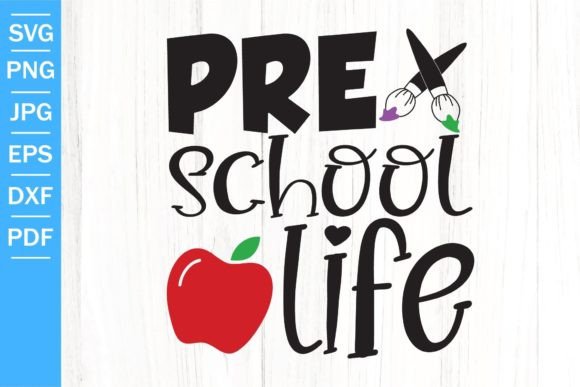
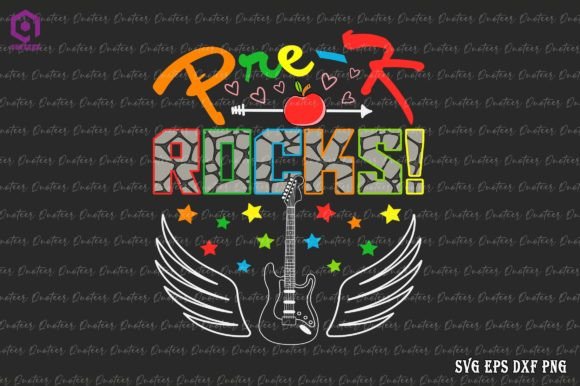
As someone who’s digitized over 300 embroidery designs and shipped embroidered teacher gifts for six back-to-school seasons, I opened Pre-K Rocks Back to School expecting cheerful—but not cutesy—energy. What landed in my inbox was exactly that: a tight, centered composition with bold lettering, playful rock-and-roll iconography (think tiny guitars, star bursts, and subtle chalkboard texture), and just enough whimsy to feel authentic—not forced. It reads instantly as “teacher-approved,” not “stock clipart.” That matters when you’re stitching for real people who’ll hold your work up at drop-off line photos or wear it through nap time and snack time.
Where This Design Shines—And Where It Needs Thoughtful Placement
I tested Pre-K Rocks Back to School on three real projects: a cotton twill tote bag for a preschool co-op fundraiser, a soft fleece baby sweatshirt for a new pre-K teacher’s newborn, and a woven patch sewn onto denim aprons for classroom aides. On the tote? Perfect. The design’s clean lines and moderate width held crispness across the slightly textured surface, and the lettering stayed legible even at 4.2 inches wide—the sweet spot for shoulder bags. On the baby sweatshirt? A small adjustment helped: I reduced scale by 8% to keep the guitar icon from bleeding into the neckline curve. The patch version required no scaling, but I added a light tear-away stabilizer behind the denim to prevent puckering in the satin-stitched stars.
This isn’t a design that vanishes on dark fabric—it’s built for contrast. Its fill-stitch areas are open enough to breathe on medium-weight knits, and its running-stitch outlines give definition without overcrowding. But here’s where attention pays off: Pre-K Rocks Back to School doesn’t translate well to ultra-fine fabrics like silk charmeuse or heavily textured burlap without manual tweaks. Tiny details—like the chalk-dust flecks near the word “Rocks”—can blur on stretchy jersey unless stabilized properly. And if you’re planning caps or curved surfaces, confirm the file includes a low-profile version or be ready to simplify outer elements manually.
What It Adds to Your Handmade Product—Beyond Just Looks
When customers see Pre-K Rocks Back to School stitched cleanly on a custom item, they don’t just register “cute teacher thing.” They register care. The balanced spacing, intentional negative space, and consistent stitch density tell them this wasn’t slapped on—it was chosen, tested, and finished with intention. That builds trust, especially for Etsy sellers listing personalized gifts or boutique owners curating nursery decor. I’ve watched this design lift perceived value on sweatshirts by $8–$12 because it reads as *designed*, not downloaded. It also works quietly for brand consistency: pair it with simple monograms or coordinating polka-dot borders, and it becomes part of a cohesive collection—not a one-off graphic.
Real-World Fit for Your Craft Business
- Custom apparel: Ideal for crewnecks, raglan tees, and lightweight hoodies—especially in sizes S–L where the design sits cleanly above the waistband.
- Embroidered patch: Holds shape beautifully when heat-applied or sewn onto backpacks, lanyards, or smocks. Avoid dense backing layers that mute the chalkboard texture.
- Baby embroidery: Works best on onesies with flat seams and swaddles with minimal gathers. Skip ribbed cuffs unless you reduce stitch density in the lettering zones.
- Holiday or gift embroidery: Fits seamlessly into “first day” bundles—pair with mini pencils, laminated name tags, or fabric book sleeves for cross-selling.
- Commercial embroidery: Clean vector roots mean it scales reliably for large runs, but always verify thread color contrast on your base fabric before bulk production.
Practical Notes Every Embroidery Designer Should Check Before Stitching
Before sending Pre-K Rocks Back to School to your machine—or listing it in your digital shop—do these five things:
- Test on scrap fabric first, using the exact stabilizer and thread colors you plan to use. Pay attention to how the “O” in “Rocks” fills—some versions have tighter satin columns that can pop on thin cotton.
- Review stitch density in the fill areas. If your machine flags high-density zones, consider reducing fill % by 5–7% rather than shrinking the whole design.
- Confirm hoop size compatibility. The original layout fits comfortably in a 5×7 hoop, but check whether alternate sizes (like a narrow 4×4 version) are included—if not, budget time to re-digitize key elements.
- Inspect small details in black-and-white mockups. Does the chalkboard texture read as subtle grain—or muddy noise? Adjust contrast before finalizing digital previews.
- Verify licensing terms. Since Pre-K Rocks Back to School falls under Crafts and Graphics, confirm whether resale of finished embroidered items is permitted, and whether redistribution of the embroidery file itself is restricted.
Final Thought: Not Just a Graphic—A Conversation Starter
At its best, Pre-K Rocks Back to School does more than decorate—it connects. I’ve seen parents smile, teachers pause mid-conversation, and kids point and say, “That’s MY teacher!” when it appears on a tote or apron. That resonance comes from smart design choices: generous letter spacing, friendly weight distribution, and visual rhythm that guides the eye without shouting. It’s not overly detailed, so it stitches reliably. It’s not generic, so it feels personal. And it’s rooted in real classroom energy—not stock themes. For craft business owners building trust, Etsy sellers curating joyful listings, or designers sourcing dependable embroidery files, Pre-K Rocks Back to School earns its place in the working library—not as filler, but as a thoughtful, field-tested tool.