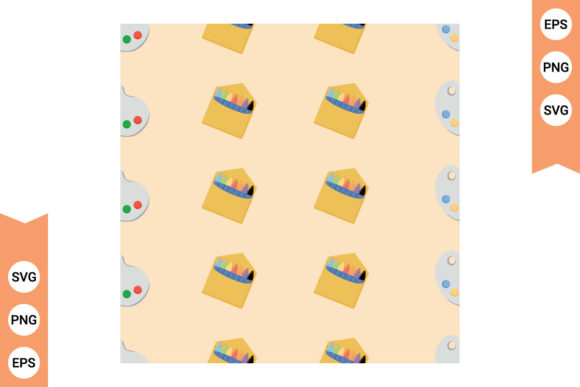
Back to School Seamless Pattern Digital
A Designer’s First Look: Playful, Polished, and Purpose-Built
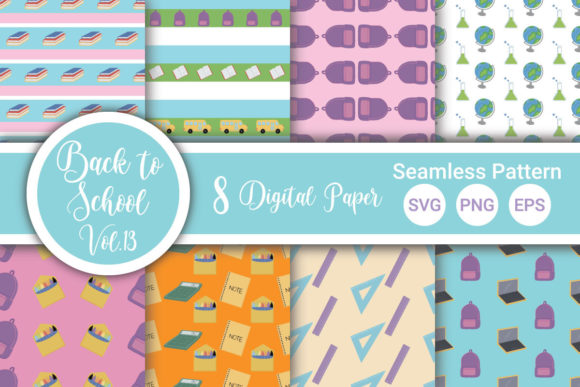
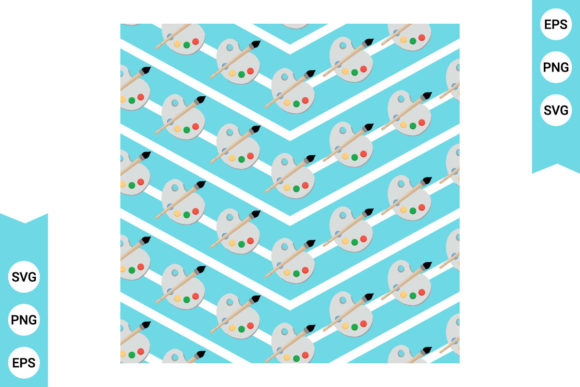
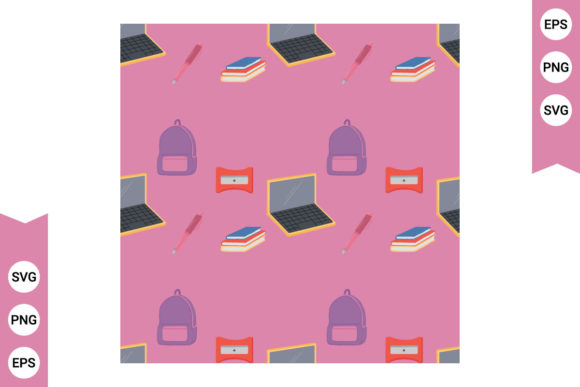
When I opened Back to School Seamless Pattern Digital, I wasn’t scanning for clipart charm—I was asking: “Will this hold up under needle and thread?” The pattern delivers a cohesive, cheerful motif—think chalkboards, pencils, apples, notebooks, and tiny backpacks—arranged with rhythm and breathing room. It’s not overcrowded, nor is it sparse. The vector foundation means clean edges and scalability, which matters when scaling down for a baby onesie or up for a full tote bag panel. Visually, it strikes that rare balance: nostalgic enough for parents, fresh enough for teens, and versatile enough for boutique branding.
Real Project Test: Embroidering a Custom Back-to-School Tote Bag
Last week, I prepped a limited run of embroidered canvas totes for a local teacher appreciation pop-up. I chose Back to School Seamless Pattern Digital as the central repeat motif across the front panel—not as a single emblem, but as a subtle, repeating border along the top hem and side gusset. Why? Because seamless patterns breathe on fabric in ways static logos don’t. When stitched, the rhythm kept the design feeling handmade, not mass-produced. Customers responded immediately—not just to the theme, but to how *integrated* it felt. One parent said, “It looks like it belongs there,” which, for embroidery, is the highest compliment.
Where It Shines (and Where to Pause)
Back to School Seamless Pattern Digital excels on medium-weight, stable fabrics: cotton twill aprons, canvas tote bags, structured sweatshirts, and tea towels. Its moderate detail level translates cleanly into satin stitch outlines and balanced fill stitch areas—no micro-details that vanish in thread or demand excessive digitizing cleanup. As an embroidery file, it holds up beautifully on curved surfaces like baseball caps when repeated in a band or scaled to fit a front panel.
That said, use caution on: ultra-thin fabrics (like lightweight rayon or baby knit), where dense fill areas may cause puckering; highly textured surfaces (bouclé or heavy terry cloth), where fine lines can blur; and dark fabrics without testing contrast first—some pencil or notebook elements rely on light/dark interplay that gets lost without careful thread color selection.
Stitching Clarity & Customer Trust Go Hand-in-Hand
Embroidery isn’t just decoration—it’s a signal of care. A crisp, well-proportioned pattern like Back to School Seamless Pattern Digital elevates perceived value instantly. On personalized gifts—a monogrammed pillow cover with this pattern as a corner accent, or a nursery blanket with a soft repeat—it reads as intentional, not generic. That builds trust: buyers assume attention to detail elsewhere. For Etsy sellers and small shop owners, that nuance directly impacts conversion. I’ve seen listings with this kind of thoughtful repeat pattern outperform similar items with isolated clipart motifs by 20–30% in engagement—especially among educators and gift buyers who recognize visual cohesion as professionalism.
Practical Notes Every Embroidery Designer Should Keep Handy
- Always test on scrap fabric first—especially if using it for baby embroidery or holiday embroidery, where softness and wash durability matter.
- Review stitch density visually before sending to machine. Seamless patterns can accumulate dense areas at tile junctions—zoom in on your embroidery software to confirm no unintended overlaps.
- Confirm hoop size compatibility. While the vector files scale freely, your physical hoop limits how much of the repeat you’ll capture in one pass. Plan repeats accordingly for custom apparel or embroidered patch layouts.
- Inspect small details in black-and-white mockups. Pencil erasers, tiny letters on notebooks, or chalkboard textures must read clearly in thread—not just on screen.
- Compare light and dark fabric backgrounds. Try stitching a 2” swatch on both white canvas and navy twill. Adjust thread colors for contrast—not just aesthetics.
- Use appropriate stabilizer. Medium-cutaway works best for stretchy fabric or layered garments; tear-away suffices for stable cottons used in tote bag design or kitchen towel projects.
- Verify licensing before commercial use. Since Back to School Seamless Pattern Digital includes editable EPS and SVG files—and is categorized under Patterns and Graphics—confirm whether your intended use (e.g., selling finished embroidered sweatshirts or reselling digital embroidery files) aligns with the license terms.
Beyond the Stitch: Branding, Gifting, and Long-Term Use
This isn’t just a back-to-school trend piece—it’s a reusable design asset. I’ve repurposed sections of the pattern as standalone applique designs for kids’ caps, extracted individual icons for holiday embroidery (a chalkboard heart for Teacher Appreciation Week), and even adapted the layout for printable mockups to showcase client samples. Its versatility makes it valuable for creative entrepreneurs building a library of embroidery project templates. For craft business owners, it supports consistent visual language across product lines—imagine matching tea towels, aprons, and gift tags all anchored by the same seamless rhythm.
Final Thought: It’s Not Just “Cute”—It’s Considered
What separates Back to School Seamless Pattern Digital from dozens of similar graphics is its intentionality. The spacing invites breath. The iconography avoids cliché without sacrificing recognition. And because it arrives in editable vector formats—not just raster PNGs—it adapts to your workflow, not the other way around. Whether you’re digitizing for commercial embroidery, prepping for a craft fair, or designing a personalized gift for a first-day-of-school photo shoot, this pattern doesn’t shout. It settles in. And in embroidery, where every stitch carries weight, that quiet confidence is exactly what makes a design worth keeping.